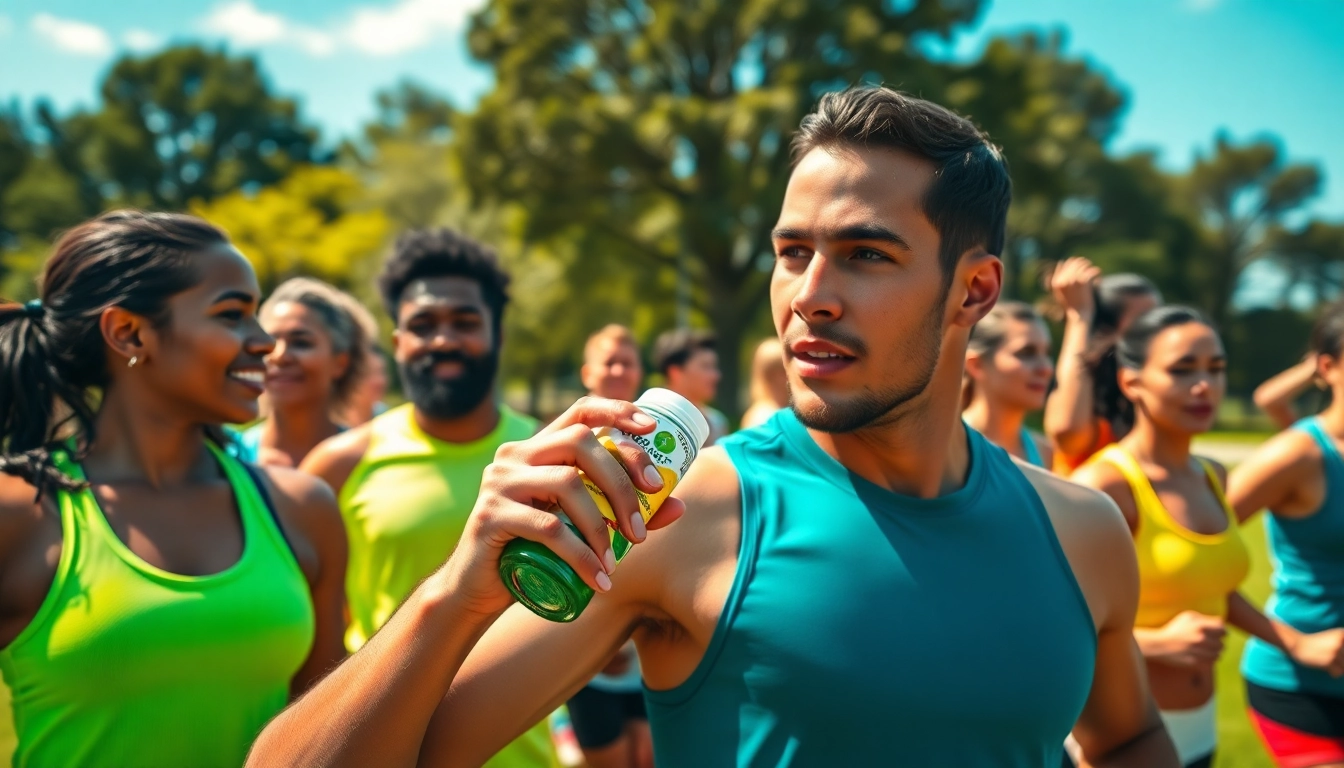
Understanding Astaxanthin and Its Benefits
What is Astaxanthin?
Astaxanthin is a powerful carotenoid with a vibrant red-orange hue, found naturally in certain algae and seafood like salmon, shrimp, and lobster. As a member of the xanthophyll family, it is renowned for its exceptional antioxidant properties, which protect cells from oxidative stress and inflammation. Sandwiched between more common carotenoids like beta-carotene, astaxanthin stands out not only for its unique color but also for its potent health benefits. Richly studied in various fields, astaxanthin is particularly gaining recognition for its role in enhancing astaxanthin for exercise recovery and athletic performance.
Health Benefits of Astaxanthin
The health benefits of astaxanthin extend far beyond exercise recovery. With its exceptional ability to combat oxidative stress, it contributes to several aspects of health, including:
- Improved Eye Health: Astaxanthin may help prevent eye fatigue and strain, improving overall vision health.
- Skin Protection: Its antioxidant properties can protect skin from UV damage and support skin elasticity.
- Cardiovascular Support: Astaxanthin has been linked to improved cholesterol levels and overall heart health.
- Boosted Immune Function: Regular supplementation has the potential to enhance the body’s natural defenses.
Overall, incorporating astaxanthin into one’s diet may lead to a comprehensive improvement in health and well-being.
Astaxanthin’s Role in Recovery
For athletes and fitness enthusiasts, the role of astaxanthin in recovery is particularly significant. Exercise induces oxidative stress and results in muscle damage. Astaxanthin has been identified as a key player in mitigating these effects, thereby accelerating recovery time. Studies suggest that its antioxidant capabilities help to reduce muscle soreness, inflammation, and fatigue, allowing athletes to return to their training more quickly and effectively.
Astaxanthin for Exercise Recovery: The Science Behind It
Research Supporting Astaxanthin
A wealth of research has been conducted to evaluate the efficacy of astaxanthin in promoting exercise recovery. A notable study found that athletes supplementing with astaxanthin experienced reduced muscle soreness after intense workouts compared to those on a placebo. Furthermore, a review published in a peer-reviewed journal highlighted numerous studies confirming astaxanthin’s role in enhancing recovery metrics, such as muscle strength and overall performance.
Mechanisms of Action for Recovery
The mechanisms through which astaxanthin aids recovery are multi-faceted. Its lipid-soluble properties allow it to permeate cell membranes effectively, where it can neutralize free radicals generated during heavy exercise. By decreasing oxidative damage, astaxanthin preserves muscle integrity and function. Additionally, it modulates inflammatory pathways, resulting in decreased levels of pro-inflammatory cytokines in the bloodstream that can lead to soreness and prolonged recovery times.
Antioxidant Properties Explained
The antioxidant properties of astaxanthin set it apart from other supplements. Unlike most antioxidants, it can operate in both hydrophilic and hydrophobic environments, making it incredibly effective in combating oxidative stress in various tissues. Its unique molecular structure allows for more efficient radical scavenging, leading to stronger immunity and decreased muscle fatigue, a critical aspect for athletes who wish to maintain peak performance levels.
How to Incorporate Astaxanthin into Your Routine
Recommended Dosage for Athletes
While individual needs may vary, research generally suggests a dosage of 4 to 12 mg of astaxanthin per day for optimal performance enhancement and recovery for athletes. It’s advisable to start with a lower dosage and increase it gradually based on tolerance and results. Observing how your body responds can ensure that you are achieving the desired effects without any adverse reactions.
Choosing Quality Astaxanthin Supplements
When selecting a quality astaxanthin supplement, consider factors such as source, extraction method, and additional ingredients. Look for products derived from microalgae, specifically Haematococcus pluvialis, as it is recognized for its high astaxanthin content and purity. Check for third-party testing to ensure the absence of contaminants, and prefer formulations that do not include unnecessary fillers or artificial additives.
Combining Astaxanthin with Other Recovery Strategies
Astaxanthin can be effectively combined with other recovery strategies to optimize results. Pairing it with a well-rounded diet rich in whole foods, hydration, adequate sleep, and targeted stretching or yoga can lead to significant improvements in recovery times. Moreover, integrating other adaptogens and anti-inflammatory supplements may create a comprehensive recovery strategy tailored to individual needs.
Real-Life Success Stories
Athletes Sharing Their Experiences
Numerous athletes have shared transformative experiences after incorporating astaxanthin into their training regimes. From endurance runners reporting reduced post-race fatigue to weightlifters noticing less joint discomfort, these testimonials underscore the potential benefits of this powerful antioxidant. Many athletes advocate for astaxanthin as a pivotal element in their recovery arsenal.
Before and After: The Astaxanthin Impact
Capture the drastic differences before and after astaxanthin supplementation by observing metrics like recovery time, performance levels, and reduced soreness. Athletes often experience a quicker return to training after implementing astaxanthin, highlighting its noticeable impact on their athletic capabilities.
Community Insights on Recovery
The athletic community has increasingly discussed the benefits of astaxanthin through forums, social media, and blogs. Many athletes share tips on how to maximize the effects of astaxanthin for recovery, cementing its place among vital supplements in their training protocol. This sense of community fosters an informative and engaging environment for those looking to enhance their performance and recovery.
Frequently Asked Questions about Astaxanthin
What is the ideal dosage of astaxanthin for recovery?
The recommended dosage for athletes typically ranges from 4 to 12 mg daily, though individual needs may vary based on activity levels.
Can astaxanthin help with muscle soreness?
Yes, astaxanthin can reduce muscle soreness and inflammation, allowing for quicker recovery after intense exercise.
Are there any side effects of astaxanthin?
Astaxanthin is generally safe for most people, but potential side effects may include digestive discomfort or changes in stool color.
How quickly can I expect results from astaxanthin?
Results can vary, but many users report noticeable improvements in recovery times and reduced soreness within a few weeks of regular supplementation.
Is astaxanthin suitable for all athletes?
Astaxanthin is well-tolerated and can benefit a wide range of athletes, but it’s always best to consult a healthcare professional before starting any new supplement.