Introduction to Smart Homes
In today's rapidly evolving technological landscape, the concept of a smart home has gained significant traction. A smart home leverages advanced technology to enhance the convenience, security, and efficiency of residential living. From controlled lighting to automated climate systems, smart homes represent a harmonious blend of comfort and cutting-edge innovation. As consumers become more technology-savvy, they look for solutions that not only simplify their daily lives but also contribute to energy savings and security enhancements.
At the forefront of this transformative movement is خانه هوشمند جهان اسمارت, a company dedicated to providing comprehensive smart home solutions tailored to individual needs. This article delves into the various aspects of smart homes, current trends, challenges, best practices, and the future of home automation.
What is a Smart Home?
A smart home is a residence equipped with devices that automate tasks typically handled by humans. These devices connect through the Internet of Things (IoT), allowing seamless communication and control. Common smart home devices include smart thermostats, smart lighting, security cameras, and voice-activated assistants.
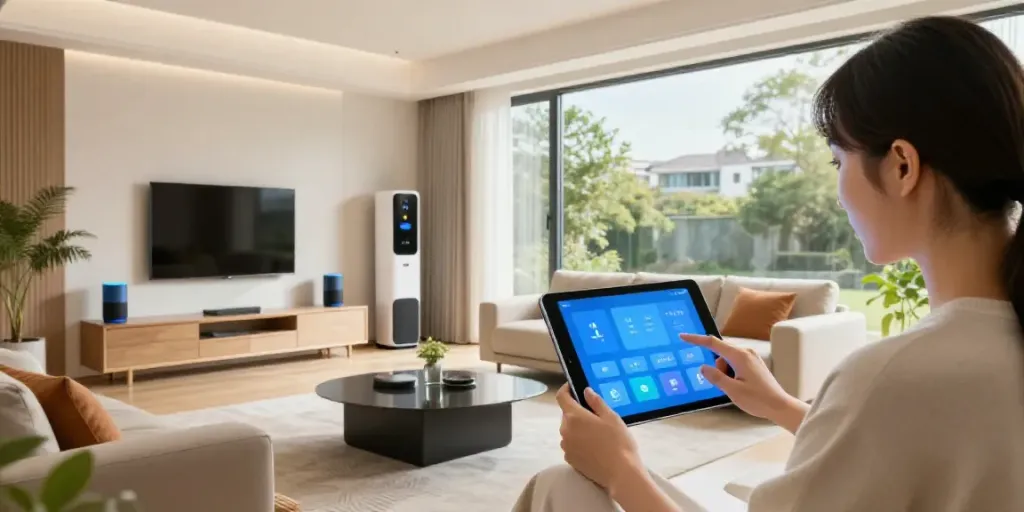
The essence of a smart home lies in its ability to provide remote access and control through smartphones or other internet-connected devices, making it easier for homeowners to manage their home environments efficiently.
Benefits of Smart Home Technology
Implementing smart home technology offers numerous benefits, which include:
- Convenience: Smart homes allow homeowners to control various elements of their home remotely, whether it’s adjusting the temperature, turning off lights, or locking doors.
- Improved Security: Smart security systems provide real-time monitoring, alerts, and access control, enhancing property safety.
- Energy Efficiency: Automated systems can optimize heating, cooling, and lighting, leading to significant energy savings.
- Increased Property Value: Homes equipped with smart technology are often more appealing to buyers, potentially increasing market value.
Key Features of خانه هوشمند جهان اسمارت
خانه هوشمند جهان اسمارت offers a range of features that enhance the functionality of your home:
- Smart Lighting: Control your home’s lighting systems remotely, set schedules, and adjust brightness based on natural light.
- Climate Control: Smart thermostats learn your heating and cooling preferences, optimizing energy use based on occupancy.
- Home Security: Advanced security systems including surveillance cameras, smart locks, and alarm systems protect your property.
- Automated Blinds and Curtains: Control privacy and light levels with smart window treatments that can be scheduled or operated via voice commands.
Current Trends in Home Automation for 2026
As we move into 2026, several trends are shaping the future of home automation. Understanding these trends helps homeowners make informed decisions about their smart home investments.
Integration of AI and IoT
The convergence of artificial intelligence (AI) and IoT is redefining smart homes. AI-enabled devices learn user habits over time and make autonomous decisions to enhance comfort and efficiency. For example, smart thermostats can analyze your daily routines and adjust the temperature accordingly, optimizing energy use without compromising comfort.
Energy Efficiency and Sustainability
With growing environmental concerns, energy-efficient technology is becoming a priority in smart home designs. Solar panels, energy monitoring systems, and appliances that conserve energy are increasingly integrated into smart home setups. Consumers are not only looking for convenience but also ways to reduce their carbon footprints.
User-Centric Designs in Smart Homes
Designers and manufacturers are placing greater emphasis on user-centric designs, ensuring that smart home systems are intuitive and accessible to all users. This includes creating interfaces that are simple to navigate and hardware that is easy to install and maintain.
Common Challenges in Smart Home Implementation
Despite the many advantages, implementing smart home technology can come with challenges that homeowners need to address.
Technological Barriers and Solutions
Some homeowners may face hurdles such as incompatible devices or inadequate internet connectivity. Ensuring that all devices are compatible with each other and utilizing a reliable internet service is essential for a seamless smart home experience. Regular updates and maintenance can also help mitigate technological issues.
User Education and Adaptation
The rapid pace of technology can be daunting for some users. Education and training are vital for successful adaptation. Offering detailed user manuals, tutorials, and responsive customer service can greatly enhance user comfort and satisfaction.
Security Concerns in Smart Home Devices
As smart homes become more connected, security concerns also escalate. Homeowners must ensure that their devices are secure from cyber threats. This includes routinely updating firmware, using strong passwords, and opting for devices with robust security protocols.
Best Practices for Setting Up a Smart Home
To maximize the benefits of smart home technology, homeowners should follow best practices when setting up their systems.
Choosing the Right Devices and Systems
Investing in high-quality, well-reviewed devices is crucial. Homeowners should consider their specific needs—such as security, energy efficiency, and ease of use—when selecting devices. Compatibility between devices is also important to ensure smooth operation.
Ensuring Compatibility Across Devices
Before purchasing, verify that the devices chosen will work together seamlessly. Many manufacturers provide compatibility lists, and consulting with experts or reading user reviews can provide insights into integrations.
Monitoring and Maintaining Your Smart Home
Regular monitoring and maintenance of devices will ensure optimal performance and longevity. This includes checking batteries, updating software, and addressing any connectivity issues promptly.
The Future of Smart Homes Beyond 2026
The future of smart homes looks promising, with technological advancements continuously reshaping our living spaces.
Predictions for Emerging Technologies
As technology progresses, we can expect increased use of augmented reality (AR) for home design and maintenance, advanced AI for predictive home management, and even greater integration of renewable energy sources.
Impact on Daily Living and Lifestyle
Smart homes are likely to further redefine how we live, with an emphasis on convenience, personalization, and sustainability. The increasing reliance on automated systems will free up time for personal pursuits and enhance overall quality of life.
Expert Insights on Smart Home Evolution
Industry experts predict that as smart technology becomes more embedded in our lives, the focus will shift towards creating holistic ecosystems within homes. These ecosystems will not only cater to individual preferences but also actively engage in energy conservation and security, providing an even smarter living experience.
What are the main benefits of implementing smart home technology?
The primary benefits include enhanced convenience, improved security, energy efficiency, and increased property value.
How can I ensure my smart home devices are secure?
Regularly update device software, use strong passwords, and choose devices with robust security measures.
What trends should I watch for in smart home technology?
Watch for advancements in AI, user-centric designs, and a greater emphasis on energy efficiency and sustainability.
How can I create a user-friendly smart home environment?
Invest in compatible devices, offer user education, and ensure intuitive interfaces for ease of use.
What smart home devices are essential for a modern lifestyle?
Key devices include smart thermostats, security systems, smart lighting, and voice-controlled assistants.