The Role of Architectural Model Makers in Europe
Architectural model makers play a vital role in bringing design concepts to life across Europe. These professionals specialize in crafting detailed physical representations of architectural designs, serving various stakeholders, including architects, developers, and investors. By creating models, they not only aid in visualization but also facilitate communication among project teams. When exploring options, Architectural model maker Europe provides comprehensive insights into the capabilities and offerings available in this field.
What is an Architectural Model Maker?
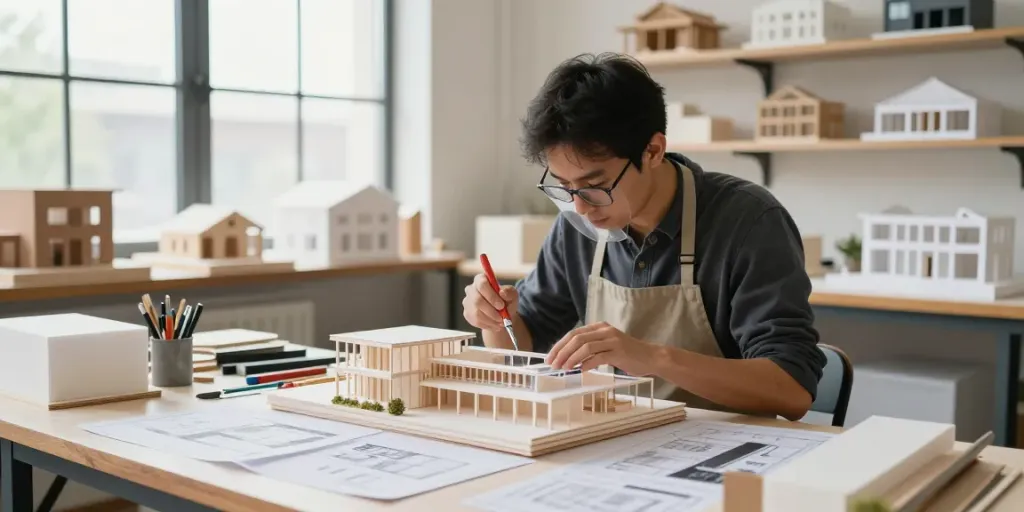
An architectural model maker is a skilled craftsman who specializes in creating scaled models that represent buildings, landscapes, and urban environments. These professionals use a variety of materials and techniques to accurately depict the design intentions of architects. Their work involves detailed planning and execution, often using advanced technologies like 3D printing and CNC milling to enhance precision and detail.
Importance of Models in Architecture
Models are essential tools in architecture for several reasons:
- Visualization: Models help clients and stakeholders visualize the final product, transforming abstract designs into tangible representations.
- Communication: They serve as effective communication tools, enabling designers to articulate their ideas clearly to clients, contractors, and other team members.
- Marketing: Well-crafted models can enhance marketing efforts, making properties more appealing to potential buyers or investors.
- Iterative Design: Models allow architects to review and refine designs throughout the project lifecycle, making it easier to incorporate feedback.
How Model Makers Contribute to Design Processes
Architectural model makers significantly impact the design process by providing a physical representation of ideas that can be manipulated and studied. They typically engage in several stages:
- Collaboration: Model makers work closely with architects and designers to understand their vision and design intent.
- Prototyping: Initial models are built to test ideas quickly, allowing for rapid iteration before the final model is produced.
- Feedback Integration: They adapt models based on feedback from stakeholders, ensuring that designs meet expectations before construction begins.
- Final Presentation: High-quality presentation models are created to showcase designs in competitions or client meetings, often incorporating advanced features like lighting or landscaping.
Trends in Architectural Model Making for 2026
As the architectural industry evolves, so too does the practice of model making. Several trends are shaping the future of this field:
Emerging Materials and Techniques
Innovative materials are now being used in model making, allowing for greater detail and realism. For example, biodegradable plastics and sustainable woods are favored for their eco-friendly attributes. Techniques such as laser cutting and 3D printing are also becoming more prevalent, enabling model makers to achieve intricate designs and faster turnarounds.
Sustainability in Model Making
Sustainability has become a priority across the construction and architecture sectors, and model making is no exception. Model makers are increasingly using recyclable materials and minimizing waste during production. This shift not only meets environmental standards but also appeals to clients who prioritize green practices in their projects.
Impact of 3D Printing Technology
3D printing has revolutionized model making by offering unparalleled precision and design flexibility. This technology allows for the rapid creation of complex geometries that traditional methods may struggle to achieve. As 3D printing continues to advance, we can expect to see even more intricate and accurate models in architectural presentations.
Best Practices for Choosing an Architectural Model Maker
Selecting the right architectural model maker is crucial for ensuring your project’s success. Here are some best practices:
Evaluating Expertise and Experience
When choosing a model maker, consider their qualifications and experience level. Look for a portfolio that showcases a range of projects similar to yours. Experienced model makers will have a better understanding of materials and techniques appropriate for your specific needs.
Assessing Portfolio and Client Feedback
A model maker's portfolio serves as a testament to their skills. Review their previous work to assess craftsmanship and attention to detail. Additionally, seek feedback from past clients to gauge the model maker's reliability and professionalism.
Understanding Pricing and Project Timelines
Pricing for architectural models can vary widely based on complexity, materials, and the level of detail required. It's essential to understand the pricing structure upfront and discuss timelines to ensure the model can be delivered when needed. Be wary of extremely low bids, as they may indicate compromises in quality.
Common Challenges in Architectural Model Making
While model making is a valuable asset in architecture, it does come with challenges:
Dealing with Complex Designs
Complex designs can pose significant challenges for model makers, particularly regarding the execution of intricate details. It is essential to maintain open communication with the architect to ensure the model accurately reflects the intended design.
Managing Client Expectations
Clients may have high expectations for their models, which can lead to misunderstandings. Clear communication regarding possibilities and limitations is crucial to avoid disappointment and ensure satisfaction.
Navigating Material Limitations
Different materials offer unique properties and challenges. Model makers should be well-versed in the strengths and weaknesses of these materials to select the best options for each project. Additionally, sourcing materials sustainably may limit available choices.
Case Studies of Successful Architectural Models
Real-world examples can highlight the impact of effective model making:
Innovative Urban Planning Models in Europe
One standout case is the urban planning model developed for a new city district in Berlin. This model integrated sustainable urban design principles and showcased various green spaces, helping secure stakeholder buy-in and funding.
Winning Competition Models and Their Impact
Several architectural firms have successfully used competition models to win high-profile projects. For example, a meticulously crafted model for a new cultural center in Paris wowed the jury with its intricate details and innovative design solutions, highlighting the importance of quality in competitive scenarios.
Restorations: Breathing New Life into Old Models
Model restoration is crucial for preserving historical artifacts. One notable example includes the restoration of a scale model of a famous landmark that had succumbed to wear and tear. The intricate restoration process helped revive the model, making it suitable for educational exhibits and public appreciation.
What is Scale Model Building?
Scale model building involves creating representations of real-world objects at a specific ratio. This practice is prevalent in various fields, including architecture, engineering, and filmmaking. Scale models allow for studying proportions and interactions within a design before full-scale construction.
How do you Create Accurate Architectural Models?
Creating accurate architectural models requires careful planning and attention to detail. Model makers typically start with architectural drawings and digital files to ensure that all dimensions are correct. They might use advanced tools and techniques, including CAD software, to facilitate precision modeling.
Which Materials are Best for Architectural Model Making?
Choosing the right materials is critical. Commonly used materials include:
- Plywood: Ideal for structural components due to its strength.
- Acrylic: Suitable for transparent elements like windows.
- Foam Board: Lightweight and easy to cut for general modeling.
- Cardboard: Cost-effective for prototyping.
What to Expect from a Model Maker?
When working with a model maker, expect professionalism, creativity, and attention to detail. Good model makers will collaborate closely with architects and remain adaptable throughout the design process.
Why Choose a Professional Architectural Model Maker?
Professional architectural model makers bring a wealth of experience and specialized knowledge to each project. They understand how to navigate complexities and ensure that the final product meets both aesthetic and functional requirements.
How to Collaborate Effectively with Your Model Maker?
Effective collaboration with your model maker involves open communication and clear expectations. Provide them with comprehensive design documents, including sketches and CAD files, to minimize misunderstandings. Regular check-ins throughout the process can help address any questions or concerns promptly.