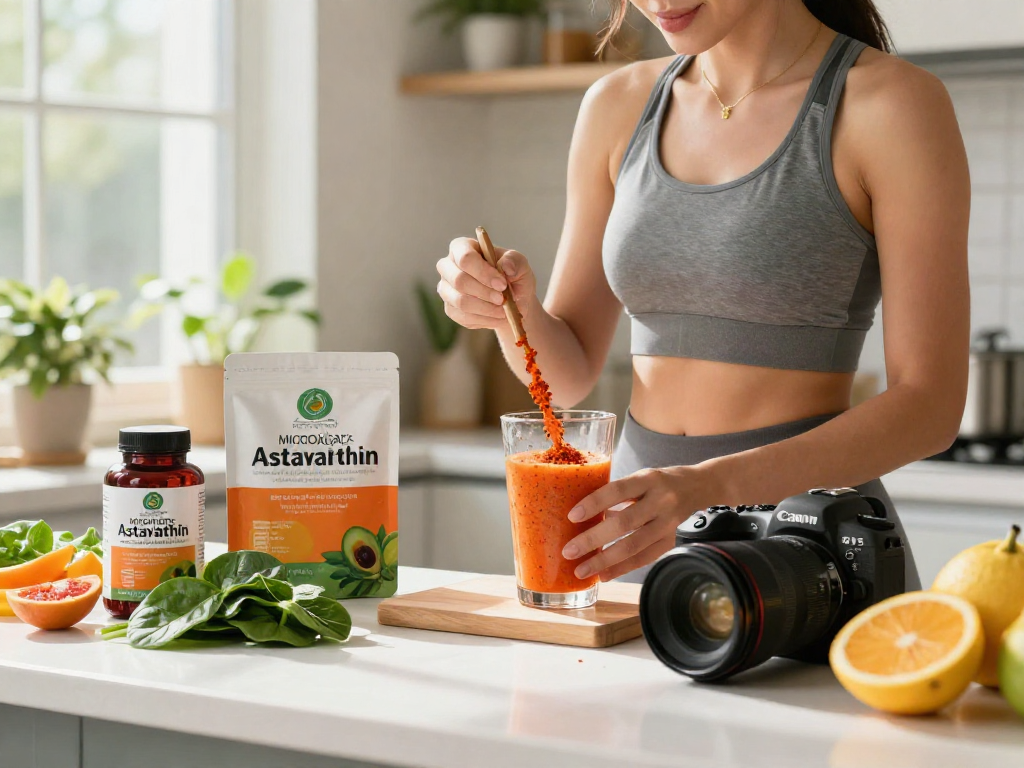
Understanding Microalgae Astaxanthin
Microalgae astaxanthin is quickly gaining attention in the health and wellness sectors for its impressive antioxidant properties and numerous health benefits. This naturally occurring carotenoid not only contributes to the vibrant colors of various organisms, like salmon and flamingos, but also serves as a powerful supplement for enhancing human health. With a growing body of research backing its efficacy, enthusiasts are increasingly incorporating microalgae astaxanthin into their dietary regimens.
What is Microalgae Astaxanthin?
Astaxanthin is a red pigment belonging to the carotenoid family, primarily derived from microalgae, particularly Haematococcus pluvialis. This microorganism synthesizes astaxanthin as a protective response to various environmental stresses, such as UV radiation and nutrient deficiency. Recognized as one of the most potent antioxidants known to date, astaxanthin exhibits an ability to scavenge free radicals and combat oxidative stress, contributing to its significant health-promoting properties.
Benefits of Microalgae Astaxanthin for Health
The health benefits associated with microalgae astaxanthin are vast and well-supported by scientific research. Some of the most notable advantages include:
- Powerful Antioxidant Properties: Astaxanthin is known to be 6000 times more potent than vitamin C and 800 times more potent than CoQ10 in terms of antioxidant activity.
- Skin Health: Regular consumption can improve skin elasticity, hydration, and reduce the appearance of fine lines and wrinkles, primarily through its UV-protective qualities.
- Eye Health: Astaxanthin is believed to support eye health by reducing eye strain and fatigue, while also improving overall visual acuity.
- Anti-Inflammatory Effects: It may help modulate inflammation in the body, providing relief from conditions related to chronic inflammation, such as arthritis.
- Cardiovascular Benefits: Astaxanthin may improve lipid profiles and reduce oxidative stress in cardiovascular tissues, contributing to better heart health.
Sources of Microalgae Astaxanthin
While astaxanthin can be found in several seafood sources, such as shrimp, crab, and salmon, the most concentrated and bioavailable form is derived from microalgae. Therefore, for those seeking a vegetarian or vegan option, microalgae-derived astaxanthin supplements are available and provide a sustainable alternative. These supplements are typically encapsulated in soft gels or made as powders for easy incorporation into smoothies, juices, or other recipes.
Applications of Microalgae Astaxanthin
Microalgae Astaxanthin in Supplements
Microalgae astaxanthin supplements have surged in popularity due to their health benefits. Many people are looking for natural ways to enhance their well-being, and these supplements offer an easy and effective solution. Most astaxanthin supplements are derived from Haematococcus pluvialis and come with various concentrations, making it essential to choose products that provide adequate dosages for optimal effects.
Uses in Skincare Products
The skincare industry has widely adopted microalgae astaxanthin for its rejuvenating properties. Its incorporation into creams, serums, and lotions targets common skin issues like sun damage and aging. By binding to skin cell membranes, astaxanthin offers a protective barrier against UV damage and helps maintain skin moisture levels, making it a coveted ingredient in high-quality skincare formulations.
Incorporating Astaxanthin into Daily Diet
Integrating microalgae astaxanthin into your daily meals is simple. It can be consumed through supplements, but you can also consider foods rich in omega-3 fatty acids that are often accompanied by this carotenoid. Smoothies, salads, and health bars are versatile places where astaxanthin can be blended seamlessly to bolster your nutrient intake without compromising flavor.
Choosing Quality Microalgae Astaxanthin Products
What to Look for in Supplements
When choosing a microalgae astaxanthin supplement, consider the following factors to ensure you select a high-quality product:
- Source: Look for supplements derived specifically from Haematococcus pluvialis for maximum potency.
- Concentration: Check for the astaxanthin amount in each serving, with a general recommendation of 4-12 mg per day.
- Formulation: Consider whether you prefer soft gels, powders, or capsules based on convenience and personal preferences.
- Certifications: Choose products that are third-party tested for purity and potency.
Understanding Labels and Certifications
Reading labels carefully can help consumers discern quality microalgae astaxanthin products from inferior ones. Look for certifications that indicate the supplement is free from contaminants, and verify that it has been produced under Good Manufacturing Practices (GMP). Additionally, certified organic products ensure that the microalgae has been grown without synthetic pesticides or fertilizers.
Top Brands and Their Offerings
As the popularity of microalgae astaxanthin rises, many brands are stepping into the market. Notable names include AstaReal, BioAstin, and Nutrex Hawaii, each offering their unique formulations. Researching customer reviews and comparing product specifications can help determine which brand aligns best with your health goals.
Scientific Research and Developments
Current Studies on Astaxanthin Benefits
Recent scientific research has further elucidated the myriad benefits of microalgae astaxanthin, with studies showcasing its potential in enhancing athletic performance, improving cognitive function, and mitigating the effects of age-related decline. These studies highlight the carotenoid's role in improving muscle endurance and minimizing oxidative stress during exercise, presenting it as a viable option for both casual fitness enthusiasts and professional athletes.
Future of Microalgae Astaxanthin Research
As the demand for natural supplements continues to rise, research on microalgae astaxanthin is expected to expand significantly. Ongoing studies are investigating its potential roles in cancer prevention, metabolic health, and cognitive support. These avenues promise to reveal even more benefits of this powerful antioxidant.
Predictions for 2026 and Beyond
Looking ahead to 2026, it is anticipated that microalgae astaxanthin will become a mainstream ingredient in various wellness products. As consumer awareness regarding health and nutrition increases, the market for extracts and supplements containing astaxanthin is expected to flourish. Additionally, advancements in extraction technologies may lead to even more effective products that harness the full potential of this compound.
Common Myths and Misconceptions
Debunking Myths about Microalgae Astaxanthin
Misconceptions about microalgae astaxanthin often stem from its potent antioxidant qualities. Some common myths include thinking it is solely for athletes or that it can replace a balanced diet. In reality, anyone can benefit from its inclusion, and while it is a powerful supplement, it should complement a diet rich in whole foods.
Understanding Side Effects and Interactions
Microalgae astaxanthin is generally considered safe for most individuals. However, potential side effects may include allergic reactions in sensitive individuals. As with any supplement, it is crucial to consult a healthcare provider before beginning new products, especially if you are pregnant, nursing, or taking medications.
Expert Opinions and Recommendations
Nutrition and health experts advocate for the incorporation of microalgae astaxanthin into both daily diets and specific health regimens. Expert recommendations often emphasize the importance of combining astaxanthin with other antioxidants, such as vitamin E and C, to enhance overall efficacy and support holistic health.
What are Potential Benefits of Microalgae Astaxanthin?
The potential benefits of microalgae astaxanthin extend beyond basic health enhancement. Users have reported improvements in energy levels, skin resilience, and mental clarity. It has also been studied for its impact on heart health, inflammation reduction, and overall vitality.
How to Incorporate Microalgae Astaxanthin into Your Diet?
Incorporating microalgae astaxanthin is straightforward. Besides supplements, consider including recipes with ingredients that naturally contain astaxanthin, such as salmon or other seafood. Smoothie recipes that incorporate astaxanthin powder can also be a delicious way to enjoy its health benefits.
What are the Best Forms of Microalgae Astaxanthin?
The best forms of microalgae astaxanthin vary based on personal preference and dietary needs. Soft gels are highly convenient, while powder forms offer versatile culinary applications. Always select products that indicate high bioavailability to ensure maximum absorption.
What Should You Know Before Buying Microalgae Astaxanthin?
Before purchasing microalgae astaxanthin, it is essential to research the brand and product thoroughly. Understand the extraction methods used, check for third-party testing, and compare concentrations to choose the right fit for your health goals. Additionally, ensure that the product aligns with any dietary restrictions you may have.