

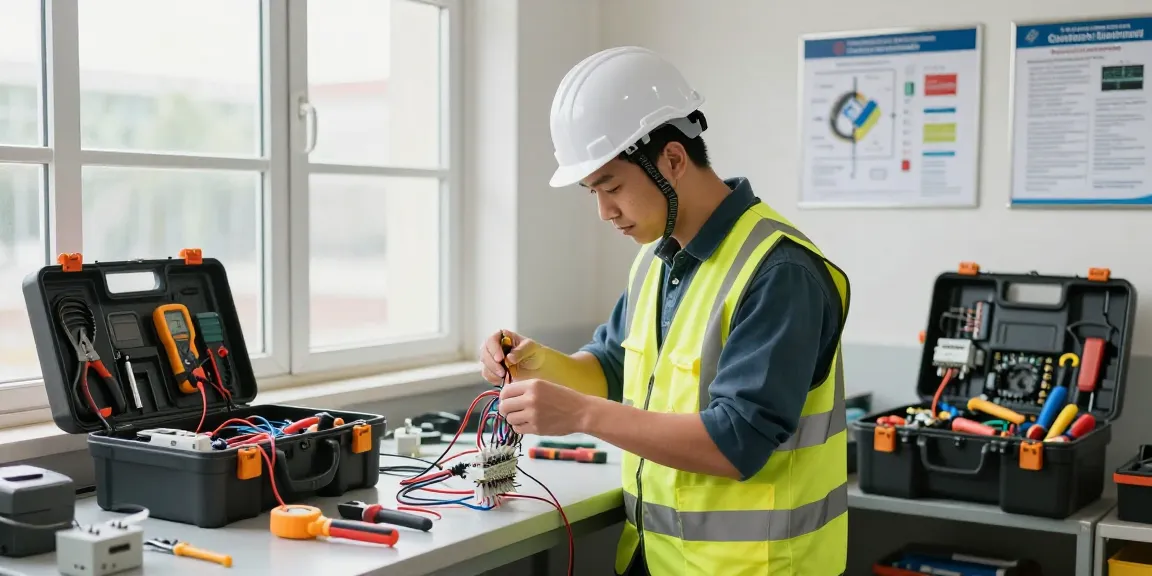
Understanding Electrician Certification
Electrician certification is a crucial step on the path to becoming a licensed and competent electrical professional. It signifies that an individual has met the standards and requirements necessary for working safely and effectively in the electrical field. As the demand for qualified electricians continues to grow, understanding the role of certification becomes increasingly important for both aspiring electricians and those looking to hire them. When exploring options, this electrician certification guide provides comprehensive insights into what certification entails and why it matters.
What is Electrician Certification?
Electrician certification is a formal acknowledgment that an electrician has completed a defined course of training and has passed the requisite examinations to demonstrate their knowledge and skills in electrical work. This certification can vary by state or country and often involves regulations set by local electrical boards or licensing authorities. Typically, a certified electrician is required to have a thorough understanding of electrical codes, safety standards, and practical skills needed for installation, maintenance, and repair of electrical systems.
Benefits of Being Certified as an Electrician
- Increased Job Opportunities: Certified electricians are more attractive to employers who prioritize hiring qualified personnel. This can lead to higher prospects for employment within competitive job markets.
- Higher Earning Potential: Statistics show that certified electricians tend to earn more than their non-certified counterparts. This increase in salary reflects the value placed on formal training and expertise.
- Enhanced Professional Reputation: Certification signifies a commitment to the profession, enhancing an electrician’s credibility among clients, peers, and employers.
- Access to Advanced Training: Many certification programs offer additional resources and continuing education, which keep electricians updated on the latest industry innovations and best practices.
Common Misconceptions about Certification
Despite the clear benefits, there are several misconceptions surrounding electrician certification. Many aspiring electricians believe that obtaining certification is overly complicated or unnecessary, while others assume that certifications are all the same. In reality, the complexity of the certification process can vary significantly based on local regulations, and the type of certification can impact job prospects and salary levels. Understanding these misconceptions is essential for anyone considering a career as an electrician.
Steps to Achieve Certification
Pre-requisites for Electrician Certification
Before becoming certified, aspiring electricians must fulfill several prerequisites. Generally, a high school diploma or equivalent is required, along with a foundational understanding of math and science. Many become apprentices, gaining hands-on experience under the supervision of a licensed electrician. This apprenticeship phase typically spans four to five years, providing a mix of on-the-job training and classroom instruction.
Choosing the Right Certification Program
Selecting the appropriate certification program is pivotal. Candidates should consider programs accredited by recognized organizations and those that align with local licensing requirements. Programs may differ in focus, ranging from residential to commercial electrical work, and potential applicants should ensure that their chosen path matches their career goals.
Preparing for the Certification Exam
Preparation for the certification exam is vital for success. Many electricians benefit from study groups or preparatory courses that cover essential topics such as the National Electrical Code (NEC), safety protocols, and practical problem-solving techniques. Additionally, practice exams can help candidates familiarize themselves with the structure and content of the actual test.
Best Practices for Electricians
Safety Standards and Regulations
Adhering to safety standards is non-negotiable in the electrical profession. Electricians must be familiar with regulations set forth by local and national authorities, including the NEC and Occupational Safety and Health Administration (OSHA) guidelines. Practicing safety not only protects the electrician but also ensures the safety of clients and the public.
Continuing Education and Skill Development
Continuing education is essential for electricians to stay current with technological advancements and changes in regulations. Many states require certified electricians to complete continuing education units (CEUs) to maintain their certification. This ongoing training can include workshops, seminars, and online courses, all designed to enhance and update an electrician’s skill set.
Real-World Applications of Certification
Certification provides electricians with the credentials needed to work on diverse projects, from residential wiring to complex industrial installations. Certified electricians are often entrusted with higher responsibilities and can specialize in areas such as renewable energy installations, smart home technologies, or electrical system design. These specializations can lead to even greater job security and advancement opportunities.
Navigating Challenges in the Certification Process
Common Obstacles Encountered by Aspiring Electricians
While the path to certification is rewarding, it is not without its challenges. Aspiring electricians may encounter obstacles such as balancing work and study, financial constraints for training programs, or difficulty in accessing hands-on apprenticeship opportunities. Recognizing and addressing these challenges early can help candidates stay on track toward certification.
Tips for Overcoming Exam Anxiety
Exam anxiety is common among test takers, including those pursuing electrician certification. To combat anxiety, candidates should employ effective study techniques, create a realistic study schedule, and practice mindfulness or relaxation techniques. Additionally, simulating test conditions through practice exams can help ease nerves and build confidence.
Resources for Additional Support
Numerous resources are available for aspiring electricians seeking support during the certification process. Professional organizations often provide study materials, mentorship programs, and networking opportunities. Online forums and social media groups can also serve as platforms for connecting with experienced electricians who can offer guidance and encouragement.
The Future of Electrician Certification
Industry Trends for 2026 and Beyond
As the electrical industry evolves, so too does the process of electrician certification. By 2026, trends are expected to include a greater emphasis on sustainable energy practices and smart technologies. This shift will likely lead to new certification programs focusing on renewable energy systems, such as solar power installation and electric vehicle charging station expertise.
Emerging Technologies Impacting the Certification Process
Emerging technologies, including automation and advanced electrical testing equipment, are transforming how electricians work. Training programs may increasingly incorporate virtual simulations and online learning platforms, offering greater flexibility to students. Familiarity with these technologies will be essential for electricians in staying relevant and competitive in the field.
The Importance of Adaptability in the Electrical Field
In a rapidly changing industry, adaptability is key. Electricians must be willing to embrace new technologies, techniques, and regulatory changes. Continuous professional development and a commitment to learning will be vital for success as the landscape of the electrical field evolves in the coming years.
What are the requirements for electrician certification?
The requirements for electrician certification can vary by state. Generally, candidates must complete an apprenticeship, have a high school diploma or equivalent, and pass a certification exam. Additional training in specific electrical technologies may also be beneficial.
How long does it take to become a certified electrician?
Typically, becoming a certified electrician takes about four to five years, which includes the apprenticeship period and additional time for exam preparation. The exact timeline may differ based on individual circumstances and local regulations.
What are the different types of electrician certification?
Electrician certification can include various levels, such as residential, commercial, and industrial electrician certifications. Some regions may also offer specialized certifications for areas like low-voltage systems or renewable energy installations.
Can I work as an electrician without certification?
While some entry-level jobs may not require certification, most reputable employers prefer electricians to be certified due to safety and competency concerns. Additionally, unlicensed electricians may face limitations in the scope of work they can legally perform.
How does certification impact my career opportunities?
Certification positively influences career opportunities, as employers often prioritize candidates with formal qualifications. Certified electricians are also more likely to secure higher-paying positions and have greater opportunities for advancement within the industry.

